Original: $28.10
-70%$28.10
$8.43The Story
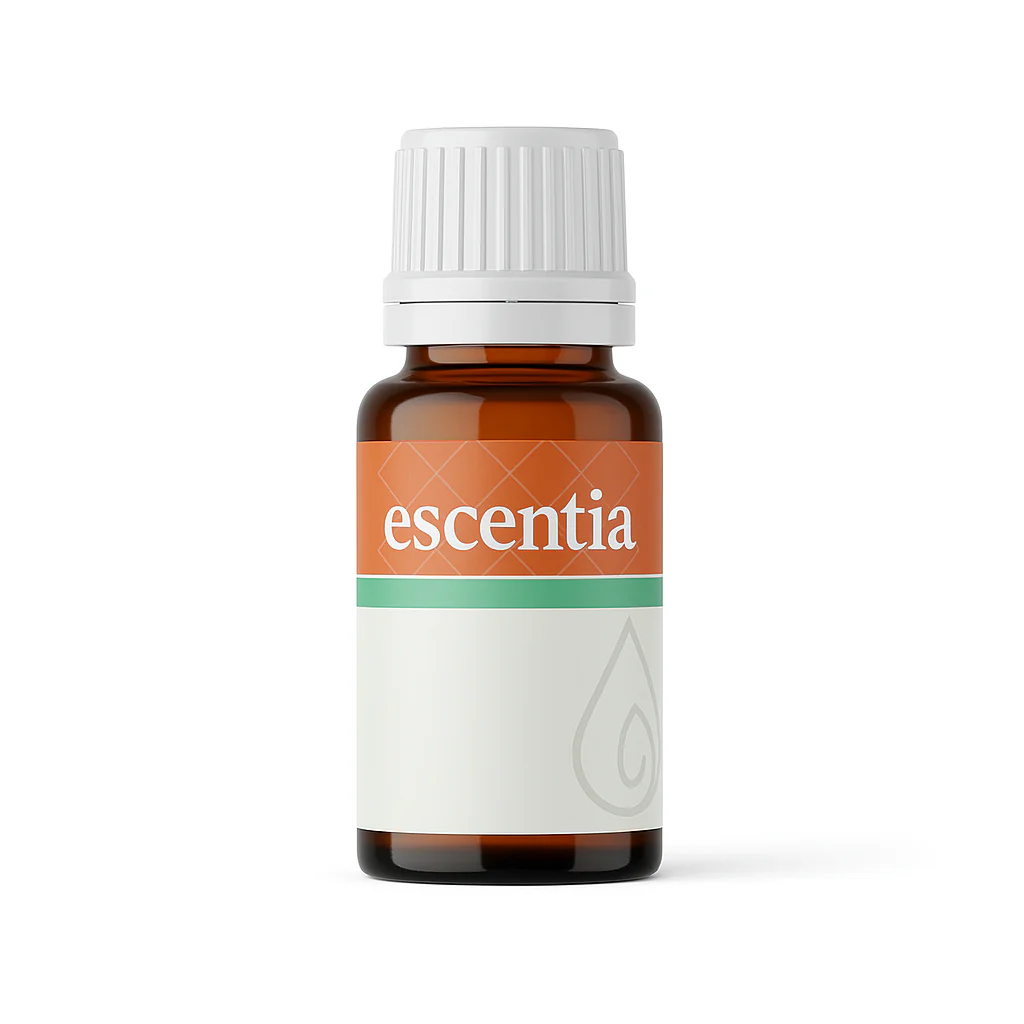
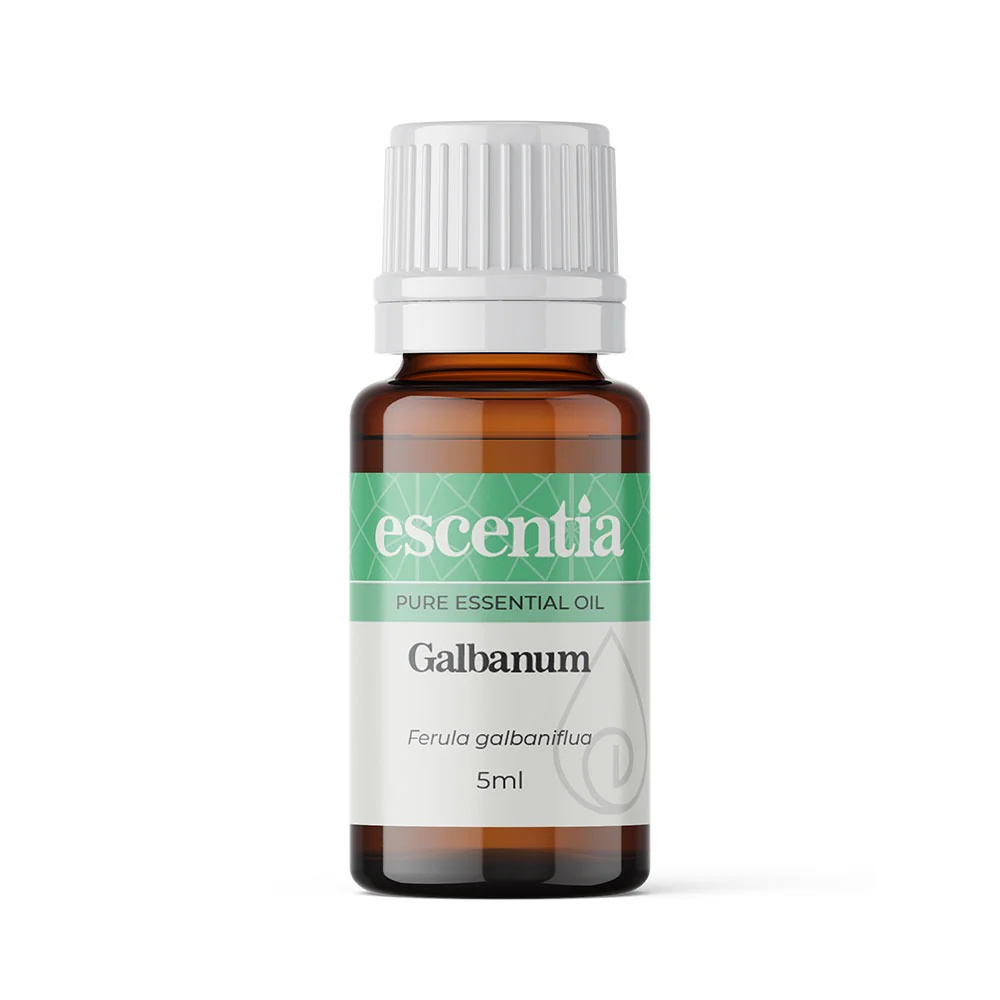
Escentia Galbanum Essential Oil Ferula galbaniflua
Ferula galbaniflua
Galbanum has been used as an anti-inflammatory, antimicrobial, antiseptic, aphrodisiac, balsamic, carminative, cicatrisant, emmenagogue, expectorant, hypotensive, restorative, tonic. Galbanum has been described as having a mentally cleansing aroma, comparable to a sea breeze or the freshness in the air that you experience after a wild rainstorm.
The stem contains resin ducts that carry a milky oleoresin. Incisions are made at the base of the stalk from which the gum runs and hardens in the shape of brown tears. The tears are then steam-distilled to produce an essential oil which is clear in colour. Despite belonging to the Apiaceae family, the oil of galbanum does not share in any way the aroma of its relatives. It has a leafy-green earthy odour, with a slightly bitter rooty note – a strong and powerful but not overwhelming fragrance.
The Ancient Egyptians used Galbanum as incense and during the embalming process. The Hebrews used it in their anointing oils and the Greeks mention it as being sedative, antispasmodic with diuretic properties. In classical Ayurvedic Medicine, it is considered to exert a balancing action on all three doshas: vata, pitta and kapha.
Description
Escentia Galbanum Essential Oil Ferula galbaniflua
Ferula galbaniflua
Galbanum has been used as an anti-inflammatory, antimicrobial, antiseptic, aphrodisiac, balsamic, carminative, cicatrisant, emmenagogue, expectorant, hypotensive, restorative, tonic. Galbanum has been described as having a mentally cleansing aroma, comparable to a sea breeze or the freshness in the air that you experience after a wild rainstorm.
The stem contains resin ducts that carry a milky oleoresin. Incisions are made at the base of the stalk from which the gum runs and hardens in the shape of brown tears. The tears are then steam-distilled to produce an essential oil which is clear in colour. Despite belonging to the Apiaceae family, the oil of galbanum does not share in any way the aroma of its relatives. It has a leafy-green earthy odour, with a slightly bitter rooty note – a strong and powerful but not overwhelming fragrance.
The Ancient Egyptians used Galbanum as incense and during the embalming process. The Hebrews used it in their anointing oils and the Greeks mention it as being sedative, antispasmodic with diuretic properties. In classical Ayurvedic Medicine, it is considered to exert a balancing action on all three doshas: vata, pitta and kapha.